FLUX.2 Solves Multi-Reference AI Art—If You Have the VRAM
Black Forest Labs' FLUX.2 addresses the production workflow bottleneck of generating consistent characters across multiple AI art outputs. The model handles multi-reference inputs without custom training, but demands significant GPU infrastructure with native runs requiring 90GB VRAM.
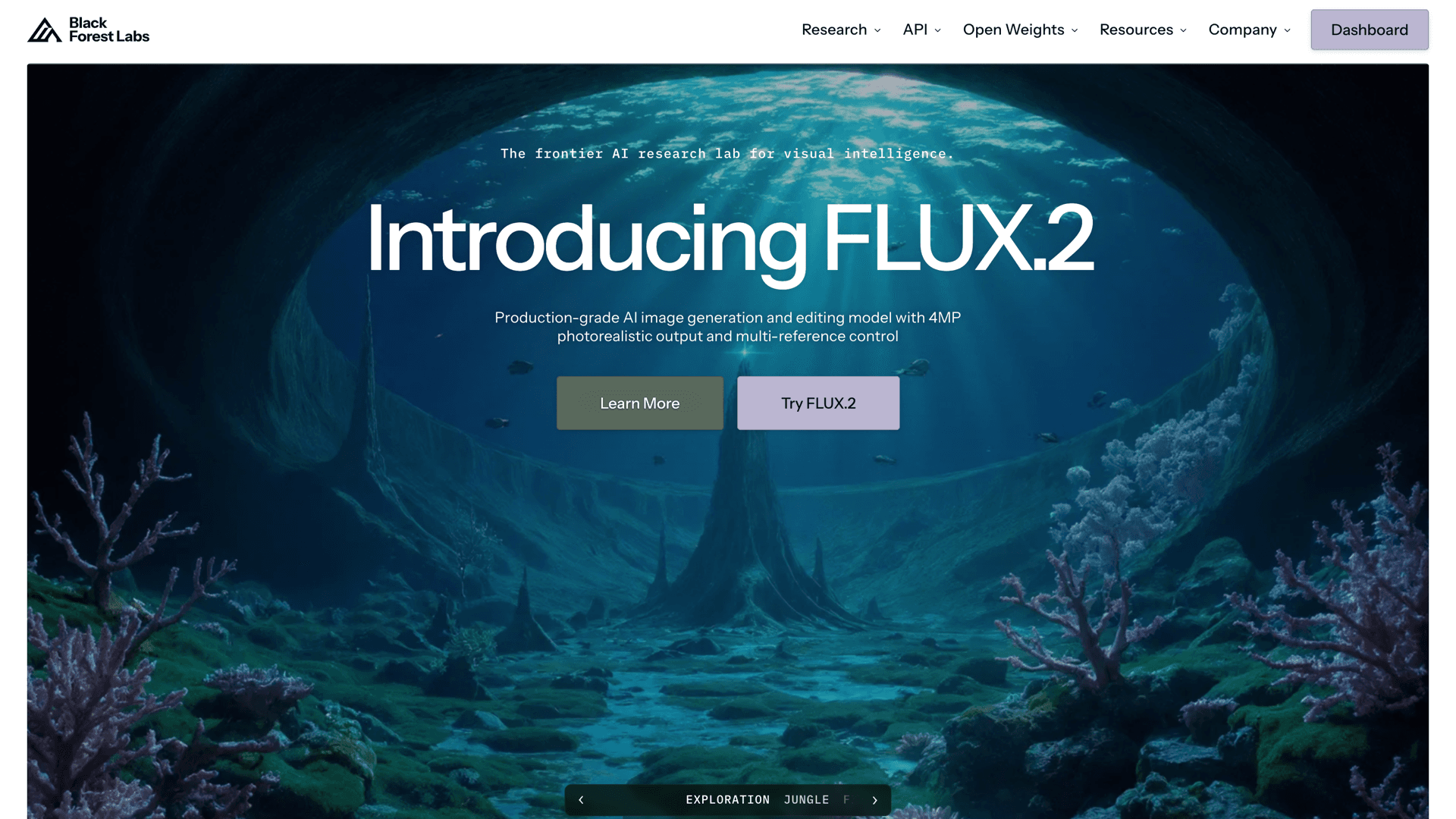
Generating a character once in AI art is easy. Generating the same character across 20 images without retraining the model? That's been the production workflow killer.
FLUX.2 from Black Forest Labs addresses this bottleneck. The model handles multi-reference inputs—character faces, objects, style examples—and maintains consistency across outputs without requiring custom training runs. You can feed it reference images up to 4 megapixels and get photorealistic results with accurate lighting, depth, and rendering of hands and faces that don't look like eldritch horrors.
The constraint: you'll need 90GB of VRAM for native runs.
The Multi-Reference Problem FLUX.2 Actually Solves
Most text-to-image models treat each generation as an isolated task. Want a consistent character across a comic book panel sequence? You're either retraining on custom datasets or manually cherrypicking from hundreds of generations and hoping for visual coherence.
FLUX.2's architecture accepts multiple reference images directly as inputs alongside text prompts. Feed it a character portrait, a style example, and a lighting reference, then generate variations that preserve those elements across outputs. The model supports complex, structured prompts including multi-language inputs and processes images up to 4MP resolution.
For production teams generating marketing assets, storyboards, or content variations, this eliminates the training bottleneck entirely. Adobe and Meta teams already use the commercial FLUX.1 Kontext version for these workflows.
Hardware Reality: 90GB Native, 20GB Optimized
Here's where the infrastructure conversation gets uncomfortable.
Native FLUX.2 runs demand approximately 90GB of VRAM—well into data center GPU territory. Black Forest Labs partnered with NVIDIA to quantize the model to FP8 precision, bringing requirements down to 20GB for optimized versions running through ComfyUI. That puts it in reach of high-end consumer cards like the RTX 4090.
Workarounds exist for 8GB VRAM setups, but they require aggressive offloading to system RAM and accept significant performance penalties. For teams evaluating infrastructure costs, you're realistically budgeting for either cloud GPU instances or on-premise hardware in the $5,000+ range per workstation.
The NVIDIA quantization partnership signals intent to improve accessibility, but this remains early-adopter territory from a hardware perspective.
Dev Version vs. Polish: The Technical Tradeoff
The publicly available [dev] version carries a learning curve. Users report needing technical expertise and parameter tuning to match the polished outputs of commercial alternatives like Midjourney. Some generations require multiple rerolls to achieve consistent quality, particularly when pushing the multi-reference capabilities.
Midjourney delivers aesthetic results with minimal configuration. FLUX.2 delivers technical control and multi-reference consistency, but expects you to tune for it. The question is whether your workflow needs that control badly enough to justify the setup complexity.
For one-off creative projects, Midjourney's out-of-box experience wins. For production pipelines generating character variants or maintaining brand consistency across hundreds of images, FLUX.2's reference handling becomes the priority feature.
Open-Weight Advantage for Production Teams
FLUX.2's open-weight release enables customization that proprietary models don't allow. Teams can integrate it with ComfyUI, Diffusers, and existing ML pipelines. Hosting options include Cloudflare Workers AI and Replicate for teams preferring managed infrastructure.
Cost per generation reportedly undercuts proprietary alternatives while delivering comparable or superior quality. For high-volume workflows, that price-performance difference compounds quickly.
When the Infrastructure Investment Makes Sense
Deploy now if you're already operating GPU infrastructure for ML workloads and need consistent multi-reference generation. The workflow advantages justify the hardware requirements when character/object consistency is a production bottleneck.
Wait for further optimization if you're starting from zero GPU infrastructure or primarily need one-off creative outputs. The NVIDIA partnership suggests more accessible versions are coming, but current specs demand serious hardware commitment.
For ML teams running production image generation, FLUX.2 solves a real problem—if your infrastructure budget can absorb the solution.
black-forest-labs/flux2
Official inference repo for FLUX.2 models