Strix: AI Agents That Actually Exploit Vulnerabilities
Security teams are stuck between slow manual pentesting and static analysis tools that cry wolf. Strix uses AI agents to dynamically execute code and exploit real vulnerabilities, delivering penetration test results in hours. Fortune 500 companies and top bug bounty hunters are using it, but the prompts are basic and LLM costs add up.
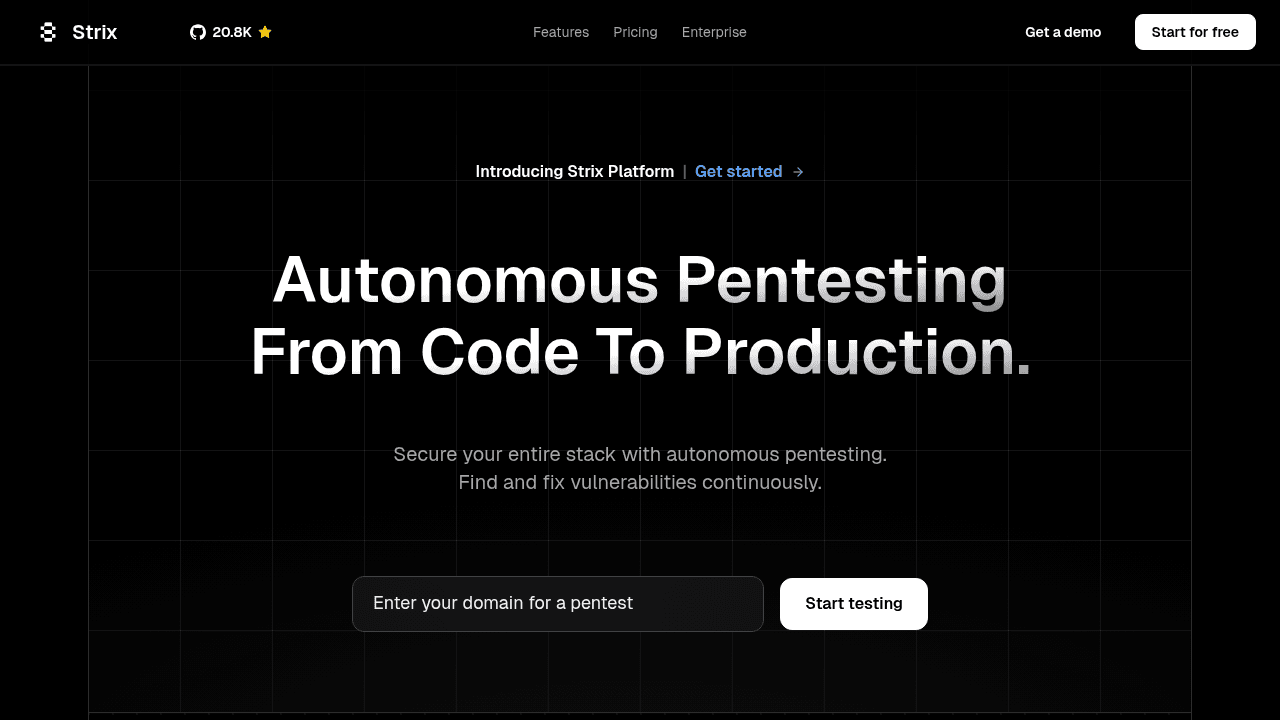
Your security team schedules a penetration test. Two weeks later, you get a report with five critical findings. Your static analysis tool flags 500 potential issues—most of them false positives your engineers will ignore. Strix offers a third option: AI agents that dynamically execute your code and attempt actual exploitation, delivering penetration test results in hours instead of weeks.
The Gap Between Manual Pentesting and Static Analysis
Manual penetration testing remains the gold standard because human security researchers follow real attack paths and confirm exploitability. The tradeoff: weeks of scheduling, execution, and reporting. Static analysis tools run fast but operate on pattern matching—they spot potentially risky code without proving whether an attacker could actually exploit it. Security teams end up either waiting for quarterly manual assessments or drowning in alerts they don't trust.
The middle ground—fast turnaround with high-confidence findings—has been missing.
How Strix Exploits Vulnerabilities
Strix deploys AI agents that don't just scan for suspicious patterns. They execute code in controlled environments and attempt real exploitation techniques. When the agents identify a potential SQL injection or authentication bypass, they try to exploit it the way an attacker would. This dynamic approach surfaces vulnerabilities with proof of exploitability, not just theoretical risk.
The system runs autonomously, requiring minimal human guidance once pointed at a target application. Security teams get actionable results without the manual overhead of traditional pentesting or the noise of tools that flag every eval() call as critical.
Who's Using It (and What They're Finding)
Security engineers at Fortune 500 companies, bug bounty hunters on HackerOne, and auditing firms have adopted Strix for continuous security testing. The project launched on Hacker News and quickly accumulated over 20,000 GitHub stars. The team open-sourced it under Apache 2.0, making the entire approach transparent and forkable.
The adoption signals credibility, but the real test is whether the tool fits specific workflows—and whether teams can live with its current limitations.
The Honest Limitations
Strix's vulnerability detection prompts are, by its own users' admission, pretty basic compared to more advanced open-source DARPA AIxCC systems. The agents work, but the vulnerability knowledge embedded in their prompts has room to mature. This isn't a dealbreaker—it's an area where the project can grow, especially with community contributions.
The other practical consideration: Strix requires access to an LLM, which introduces ongoing compute or API costs that scale with application complexity. For large codebases or frequent testing, those expenses add up. Teams need to weigh the cost against the value of faster, more reliable vulnerability detection.
When to Use Strix vs. Other Tools
Strix makes the most sense when you need penetration test rigor without waiting weeks. Pre-production security checks, continuous testing between quarterly manual assessments, and rapid validation of new features all fit the model. If your static analysis tools generate more false positives than your team can triage, Strix offers a way to focus on exploitable issues.
Consider LLM costs and prompt maturity when deciding whether to adopt it. For teams already paying for manual pentests every quarter, the compute costs might be a fraction of consultant fees. For smaller projects with tight budgets, static analysis plus occasional manual testing might still make more sense.
The project is growing, the community is active, and the approach—AI agents that actually try to break things—addresses a real gap in security tooling. Whether Strix becomes part of your workflow depends on whether its tradeoffs fit your constraints.
usestrix/strix
Open-source AI penetration testing tool to find and fix your app’s vulnerabilities.