Crawl4AI vs Firecrawl: Control vs Convenience
Crawl4AI reached 59,000 GitHub stars by offering what managed scraping APIs can't: full control, no lock-in, and LLM-optimized output. But reported bugs and stability issues reveal the tradeoffs between DIY freedom and managed reliability. Two valid approaches to the same problem—scraping modern web pages for RAG pipelines.
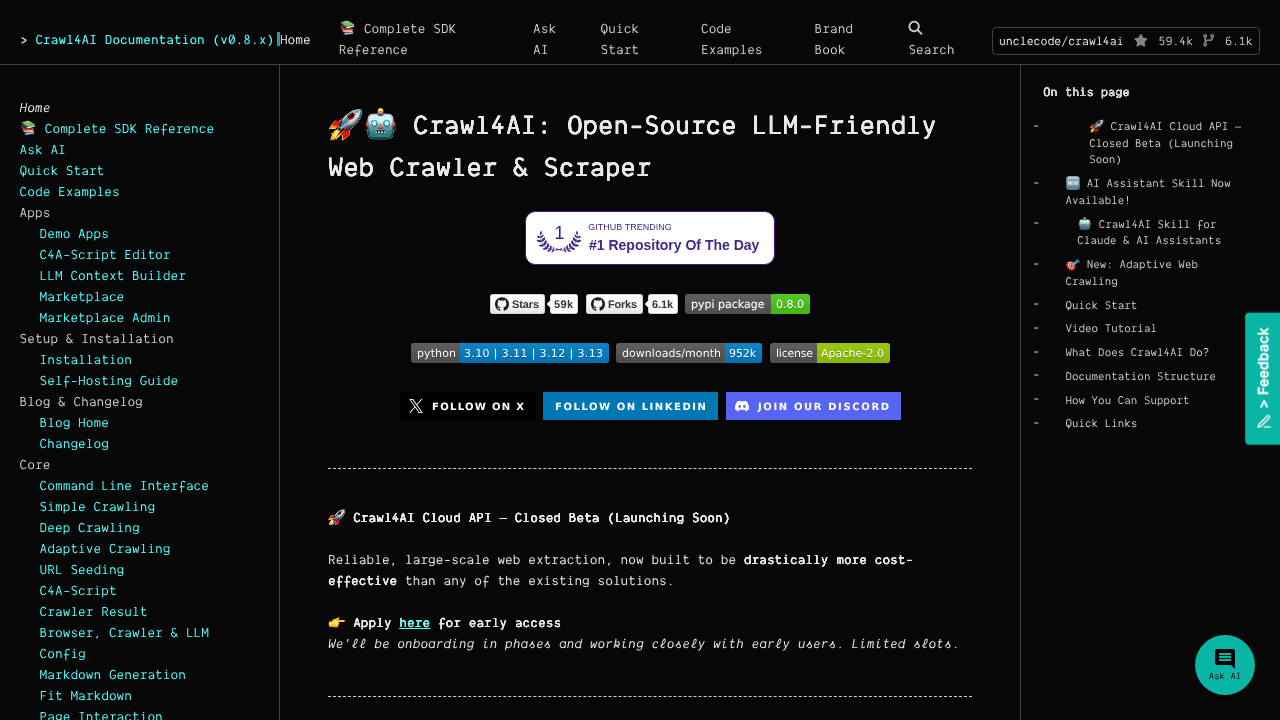
A solo developer's open-source web crawler hit 59,000 GitHub stars in eight months, not by solving a new problem, but by offering a different philosophy for an old one. When you scrape the modern web for RAG pipelines, you don't want cookie banners, navigation menus, and ad sidebars—you want clean text that LLMs can actually use. Both Crawl4AI and managed services like Firecrawl handle this. The difference is who runs the infrastructure and who controls the code.
The Problem Both Tools Solve
Traditional scrapers grab everything. Feed raw HTML to an LLM, and you're embedding promotional copy alongside the content you actually wanted. Modern crawlers render pages like browsers and strip out noise—removing menus, popups, and sidebars before you ever see the output. For teams building retrieval-augmented generation pipelines, this preprocessing step matters more than the scraping itself. Both approaches prove the problem is real: getting LLM-ready data from dynamic websites requires more than curl and a regex.
Two Philosophies, Same Goal
Firecrawl operates as a managed API with built-in JavaScript execution, abstracting infrastructure and charging per page. You call an endpoint, get back clean data, and someone else handles scaling and browser maintenance. Crawl4AI is a self-hosted library offering granular control with no usage tiers or external dependencies. You run it on your own infrastructure, customize rendering logic, and own the operational burden. Neither philosophy is wrong—Firecrawl optimizes for speed to production, Crawl4AI for independence and cost at scale.
What Developers Choose Crawl4AI For
The technical decisions align with the control-first approach: browser-like rendering, adaptive crawling modes, and built-in noise filtering designed for handling dynamic content in AI applications. Real projects use it in production. The llm-lab Docker setup orchestrates Crawl4AI alongside N8N, Qdrant, and Ollama for local AI workflows. A Floredata tutorial walks through integrating Crawl4AI with LangChain and Supabase to build RAG-ready datasets, embedding crawled documents directly into vector stores. The 59,000-star momentum reflects demand for tools that let developers modify extraction logic without waiting on API vendor roadmaps.
The Stability Tax of DIY
With that control comes predictable tradeoffs. Open issues report crawling freezes on Mac terminals, proxy configuration bugs, and sitemap errors that stop jobs prematurely. Some users see inconsistent scraping results across runs, with pages failing randomly or triggering bot detection warnings. These aren't indictments—they're the operational reality when a solo maintainer competes with funded teams. Managed services charge money to absorb this burden: you pay for reliability, monitoring, and someone else's on-call rotation. Open-source projects let you fix issues yourself, but only if you have the time and expertise to debug browser automation edge cases.
When to Choose Which
The decision framework depends on constraints, not ideology. Choose a managed service when team velocity matters more than infrastructure control, when budget accommodates usage-based pricing, or when maintaining browser automation isn't a core competency. Choose open-source when vendor lock-in introduces unacceptable risk, when custom rendering logic is required, when scraping volume makes per-page APIs prohibitively expensive, or when contributing patches back to the project is feasible. Both paths address the same problem—extracting clean data from JavaScript-heavy websites—through different economic and operational models.
The Sustainability Question
Projects this ambitious face the open-source funding problem: Crawl4AI's growth proves developers want the tool, but solo maintainers burn out without revenue or institutional support. Managed services monetize from launch but introduce dependency risks if pricing changes or the company pivots. There's no clean resolution—just the tension between funding developer tools and maintaining independence. The 59,000 stars represent votes for the control-first approach, but stars don't pay for maintenance hours or scale a support team. What remains is the same build-versus-buy calculus every backend team faces, playing out in real time across GitHub issues and API invoices.
unclecode/crawl4ai
🚀🤖 Crawl4AI: Open-source LLM Friendly Web Crawler & Scraper. Don't be shy, join here: https://discord.gg/jP8KfhDhyN