TrendRadar Hit 44K Stars by Rejecting Platform Algorithms
Platform algorithms decide what you see. TrendRadar flips this model by aggregating 35 platforms into one self-hosted dashboard with AI-powered filtering. Developers are adopting it fast—44K stars in 7 months signals a shift from engagement-optimized feeds to relevance-optimized intelligence gathering.
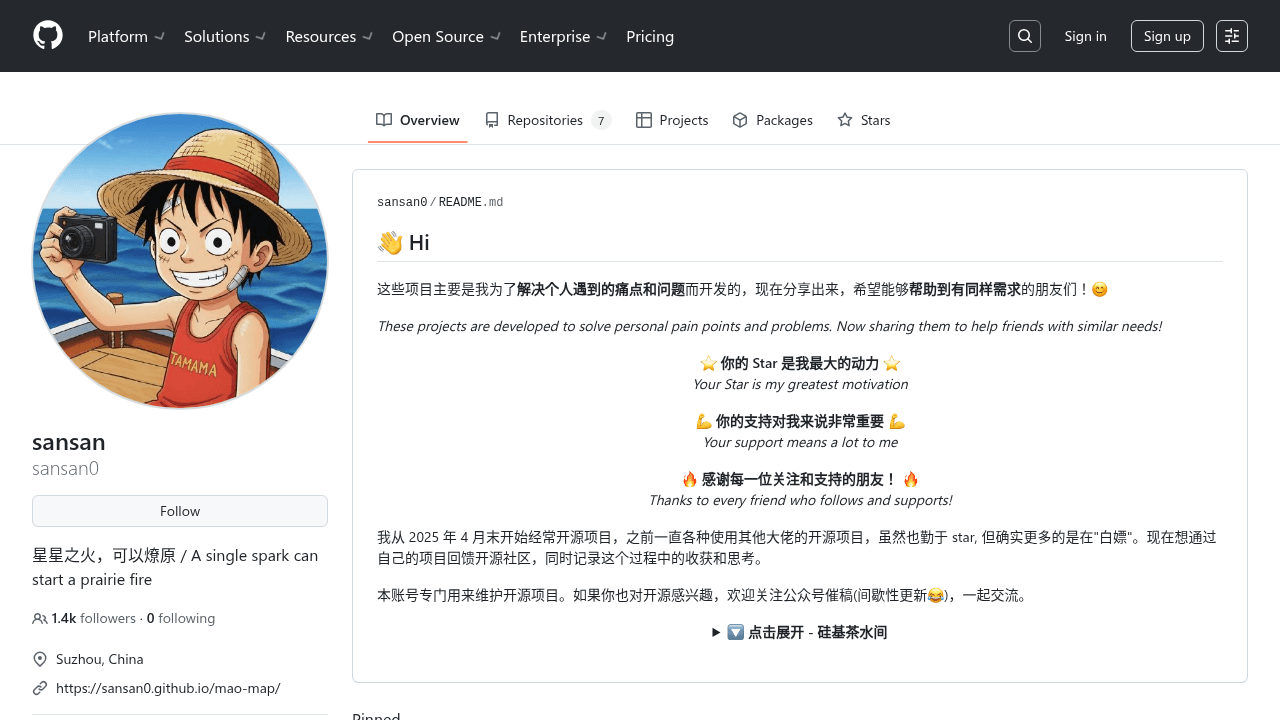
Platform algorithms decide what trends. TrendRadar flips that model by aggregating 35 platforms—Douyin, Zhihu, Bilibili, and others—into a single self-hosted dashboard where users define what matters through keyword-based filtering and AI analysis.
The project hit 44,000 GitHub stars in seven months. That velocity is developers voting with their forks for an alternative to engagement-optimized feeds.
The Problem: Platforms Control What You See
Content lives across fragmented platforms, each running proprietary algorithms that prioritize watch time over relevance. Developers and decision-makers face the same routine: manually checking multiple sources, scrolling past algorithmically inserted noise, missing critical updates buried under trending memes.
TrendRadar's approach centralizes trending topics with keyword-based screening and multi-channel alerts through WeChat and Feishu. Instead of accepting what platforms push, users pull what they've defined as signal.
Aggregation + User-Controlled Filtering
TrendRadar deploys via Docker with a no-code setup, aggregating real-time trends from 35 platforms. The v3.0 release introduced AI MCP (Model Context Protocol) architecture for intelligent analysis—running local AI models to filter and categorize content based on user-defined rules rather than engagement metrics.
The system combines aggregation, AI-powered relevance filtering, and programmable alerting. For DevOps engineers managing infrastructure updates or backend developers tracking framework discussions, this means scanning multiple technical communities without context-switching between tabs or relying on platform recommendations.
Why 44K Stars in Seven Months Matters
The project launched in April 2025. By November, it topped weekly GitHub trends with over 4,000 new stars in a single week. It earned features on CSDN hot lists, inclusion in Ruan Yifeng's newsletter, and a spot in the awesome-python repository.
That adoption rate signals something beyond novelty. When a self-hosted aggregation tool gains traction this quickly, it reflects accumulated frustration with platform-controlled information diets. Developers who build infrastructure for a living are choosing to deploy their own content curation layer.
The Technical Edge: Docker, MCP, and Self-Hosted Data
Docker deployment means spinning up TrendRadar takes minutes. The MCP architecture keeps AI analysis local—no API keys sent to third-party services, no usage logs harvested for training data. For teams operating under compliance requirements or developers who've watched platform APIs get deprecated mid-project, self-hosted data represents control.
The fixed issues list tells the development story: ntfy encoding problems, mail SSL/TLS port errors, Docker network bugs, webhook exposure risks. These are real deployment blockers users hit and the maintainers resolved. Active development matters when you're betting infrastructure on open-source tools.
Limitations and What's Next
The current platform focus skews toward Chinese sources. Users are requesting support for Reddit and Hacker News—understandable given the developer audience. The project exists in a crowded space of trending topic tools, but distinguishes itself through breadth (35 platforms versus single-source analyzers) and the AI MCP layer.
What This Means for Content Platform Moats
When open-source aggregation with AI filtering can accumulate 44,000 stars in seven months, it raises questions about how durable algorithmic feed moats actually are. Platforms control distribution by controlling what surfaces in feeds. If enough users opt for pull-based intelligence gathering over push-based engagement optimization, that changes the leverage dynamic.
Developers are building the infrastructure to route around platform curation. The question isn't whether more users will want control over their information diet—it's how quickly the tooling matures to make that accessible beyond technical audiences willing to deploy Docker containers.
sansan0/TrendRadar
⭐AI-driven public opinion & trend monitor with multi-platform aggregation, RSS, and smart alerts.🎯 告别信息过载,你的 AI 舆情监控助手与热点筛选工具!聚合多平台热点 + RSS 订阅,支持关键词精准筛选。AI 智能筛选新闻 + AI 翻译 + AI 分析简报直推手机,也支持接入 MCP 架构,赋能 AI 自然语言对话分析、情感洞察与趋势预测等。支持 Docker ,数据本地/云端自持。集成微信/飞书/钉钉/Telegram/邮件/ntfy/bark/slack 等渠道智能推送。